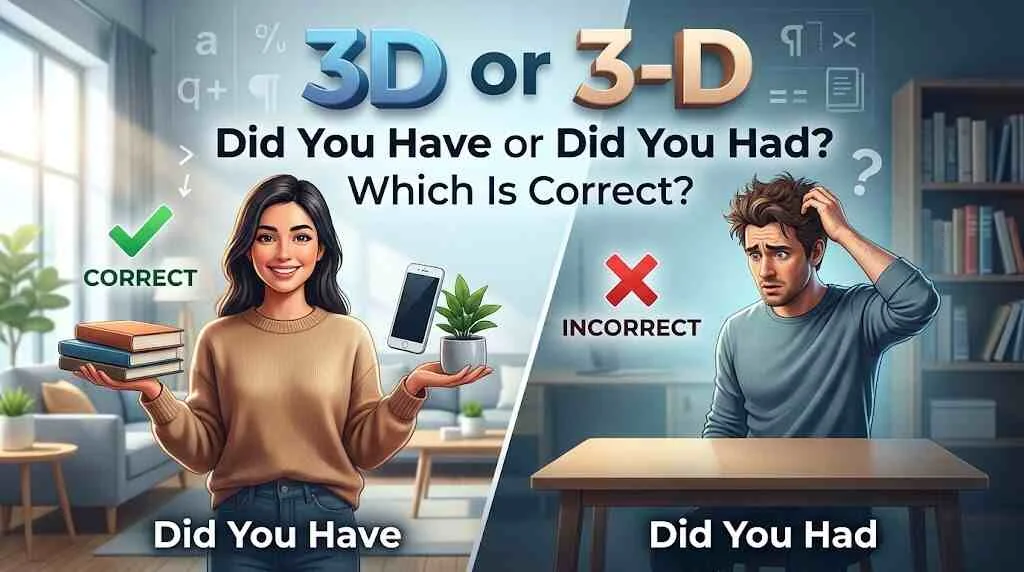
Did You Have or Did You Had? Which Is Correct?
Many English learners wonder whether they should say “did you had” or “did you have.” These two phrases look similar, but only one is grammatically … Read More
Many English learners wonder whether they should say “did you had” or “did you have.” These two phrases look similar, but only one is grammatically … Read More
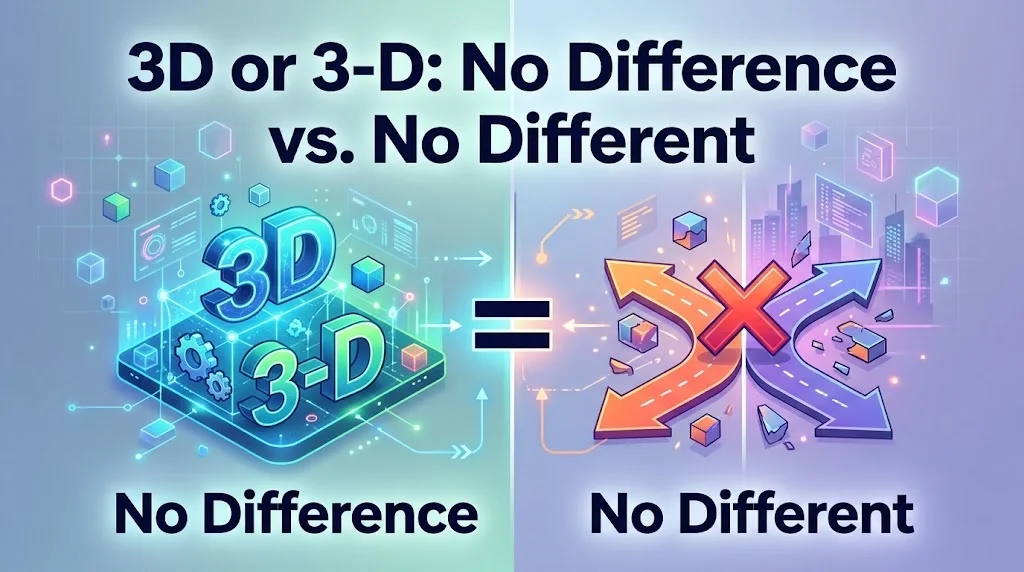
Many English learners confuse ” no difference ” and ” no different” because the two expressions look similar but serve different grammatical purposes. “No difference” … Read More
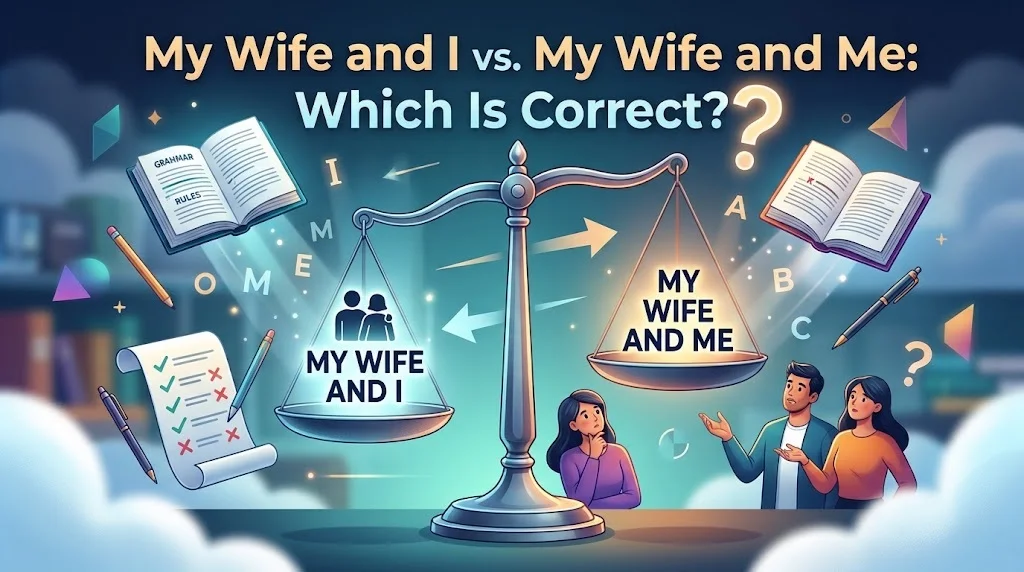
Many English learners confuse My Wife and I ” and ” My Wife and Me: Which Is Correct? because both phrases sound natural in everyday … Read More
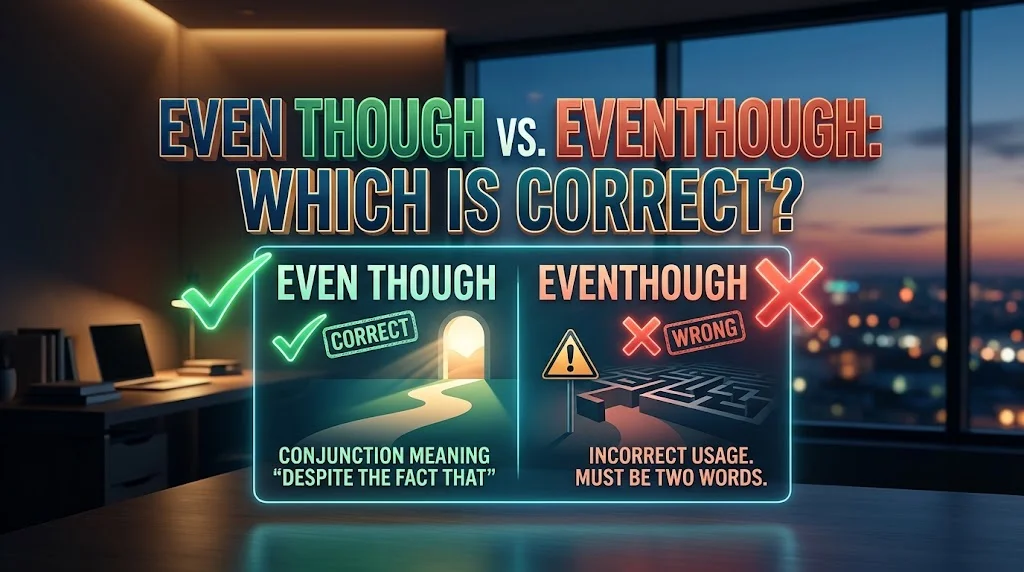
Many writers confuse eventhough vs. even though because the two forms look similar. However, only even though is correct in standard English. It introduces a … Read More
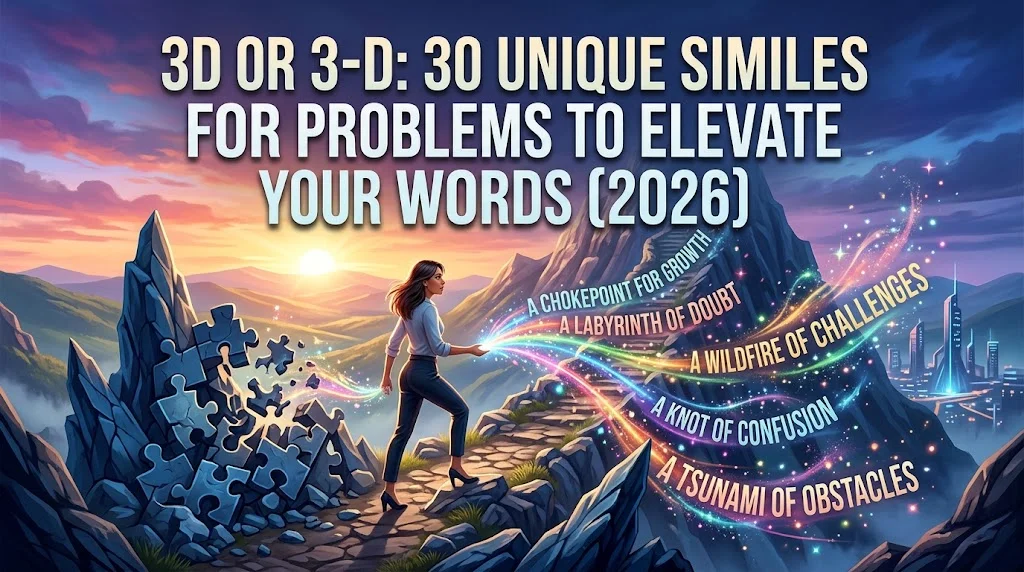
Problems are a natural part of life, and the right simile can make them easier to describe in a vivid and memorable way. Whether you … Read More
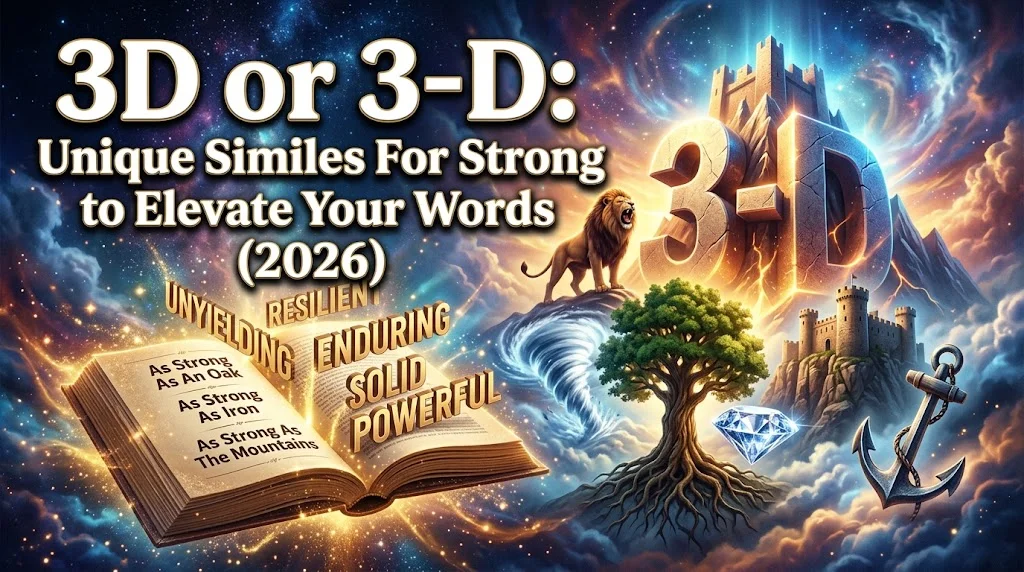
Strength comes in many forms. A person can be physically powerful, emotionally resilient, mentally determined, or morally courageous. Using Similes for Strength helps writers describe … Read More
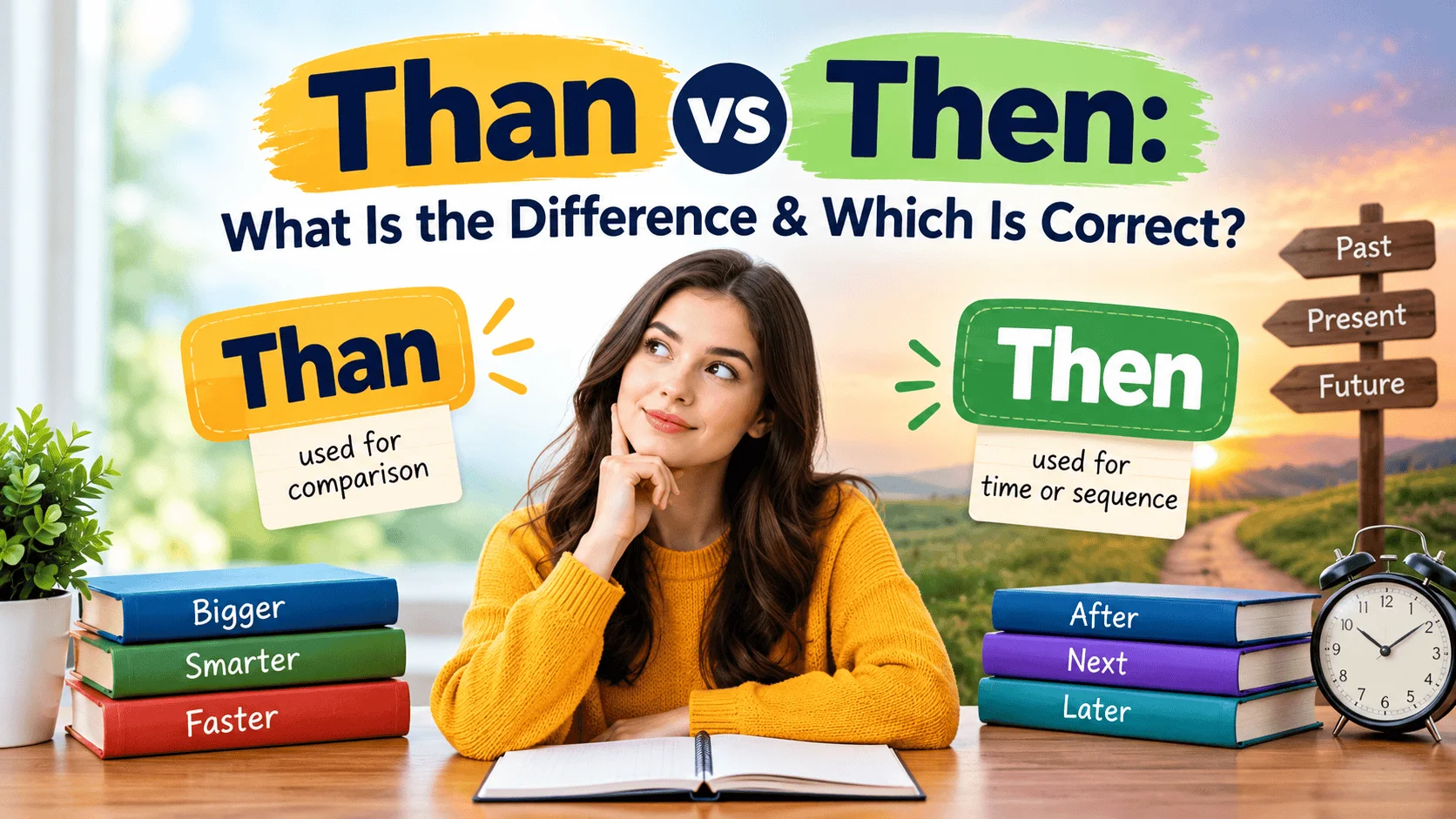
Many English learners confuse than and then because they look and sound similar. However, these two words have completely different meanings and grammatical functions. Knowing … Read More
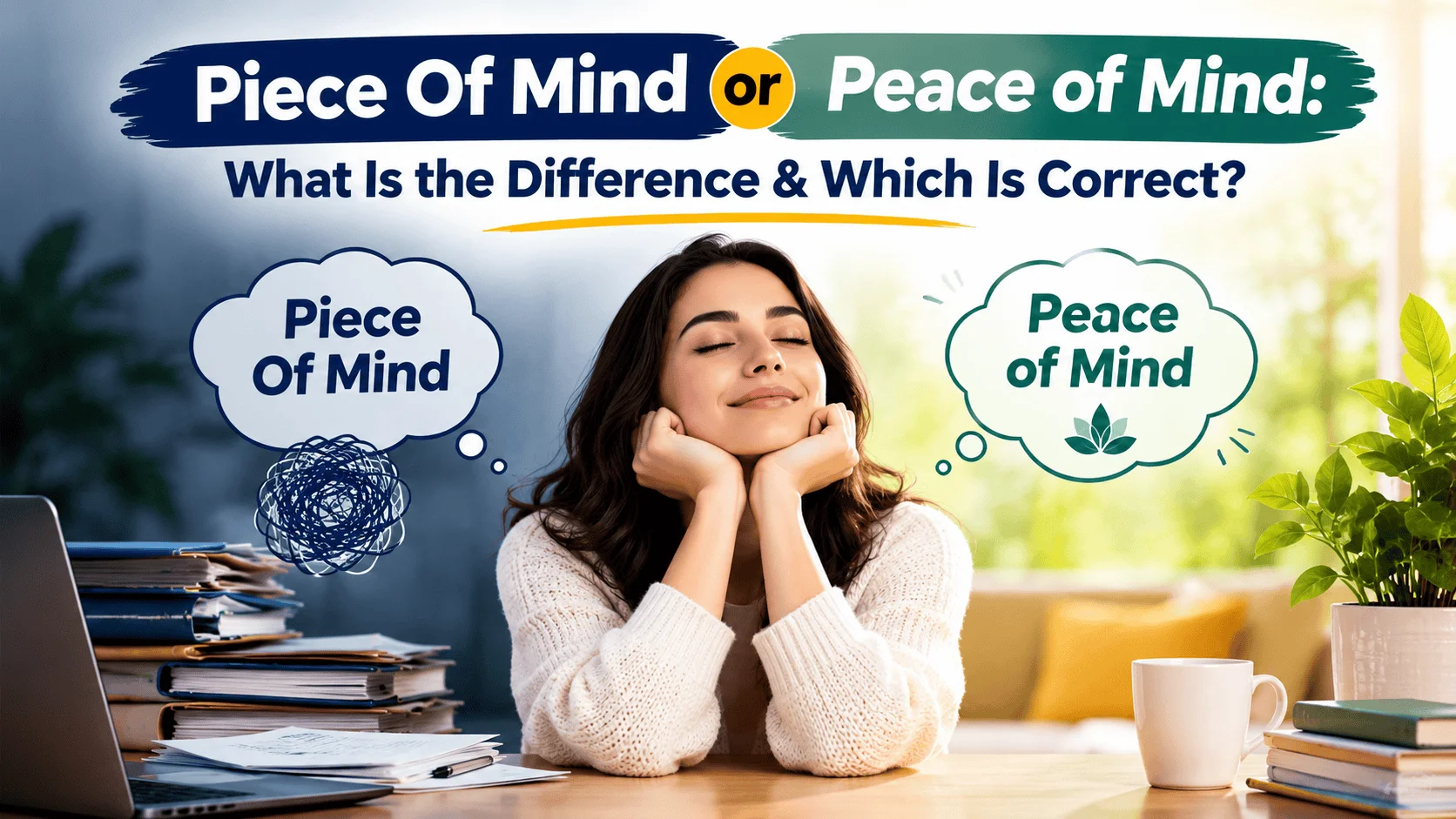
Many English learners and even native speakers confuse piece of mind and peace of mind because they sound almost identical. However, only one of these … Read More
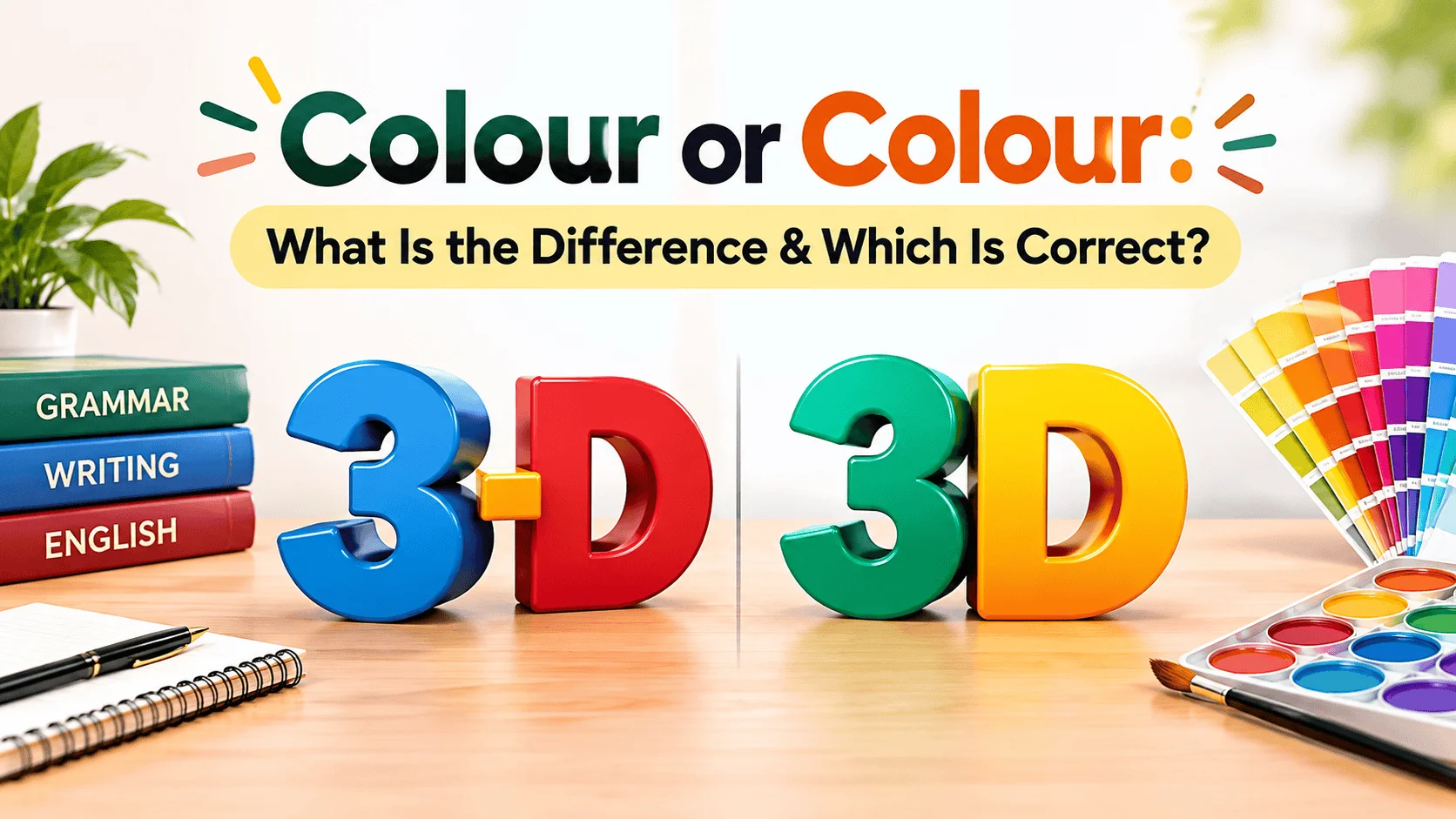
Choosing between colour and colour can be confusing, especially if you’re learning English or writing for an international audience. The good news is that both … Read More
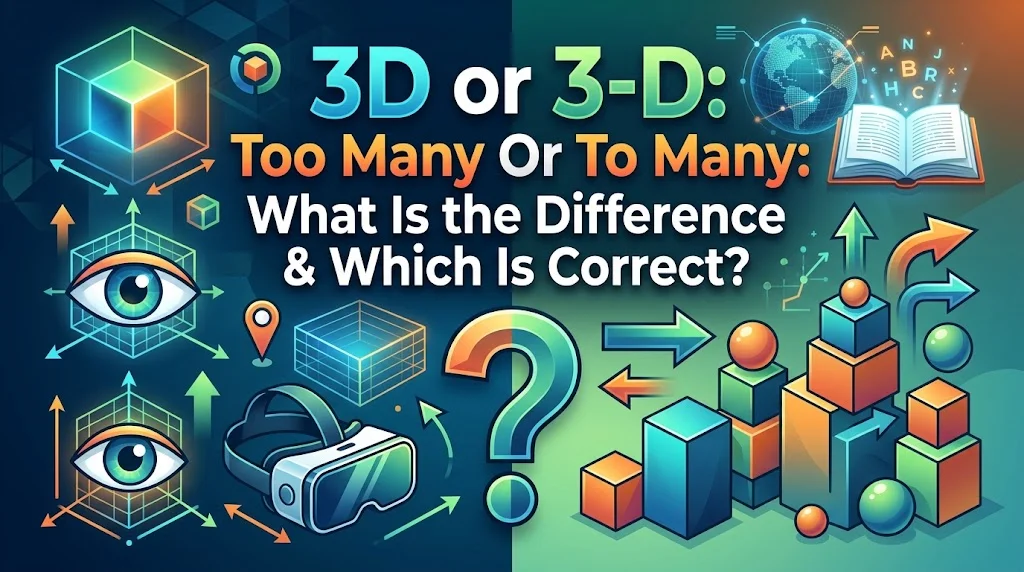
Many English learners get confused between too many and to many because the two phrases look almost identical. However, they have different meanings and grammatical … Read More
Grammarifying helps you write with confidence through clear, practical, and easy-to-understand guidance on grammar and word choice. Write right, communicate better.
Contact Us