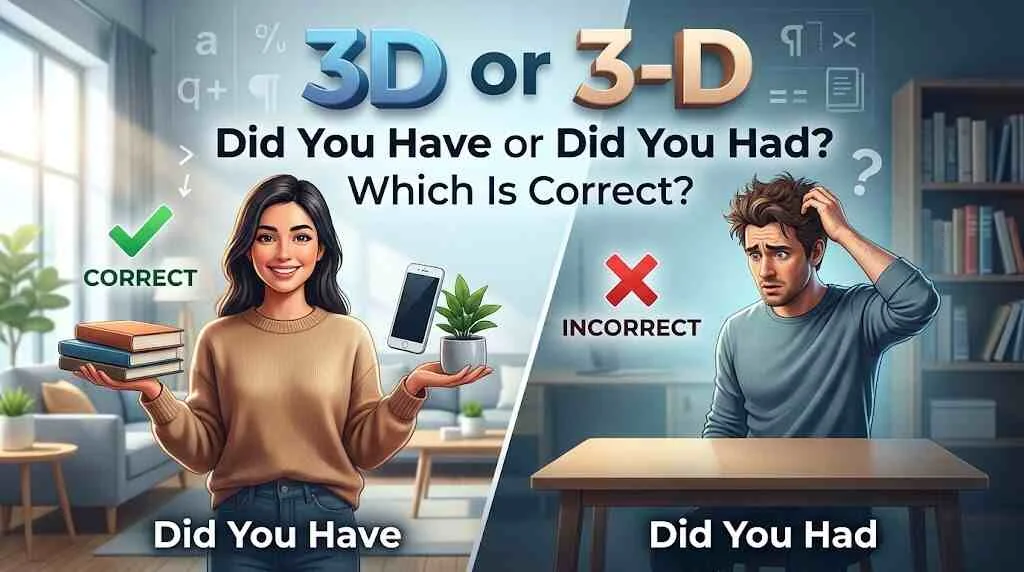
Did You Have or Did You Had? Which Is Correct?
Many English learners wonder whether they should say “did you had” or “did you have.” These two phrases look similar, but only one is grammatically … Read More
Many English learners wonder whether they should say “did you had” or “did you have.” These two phrases look similar, but only one is grammatically … Read More
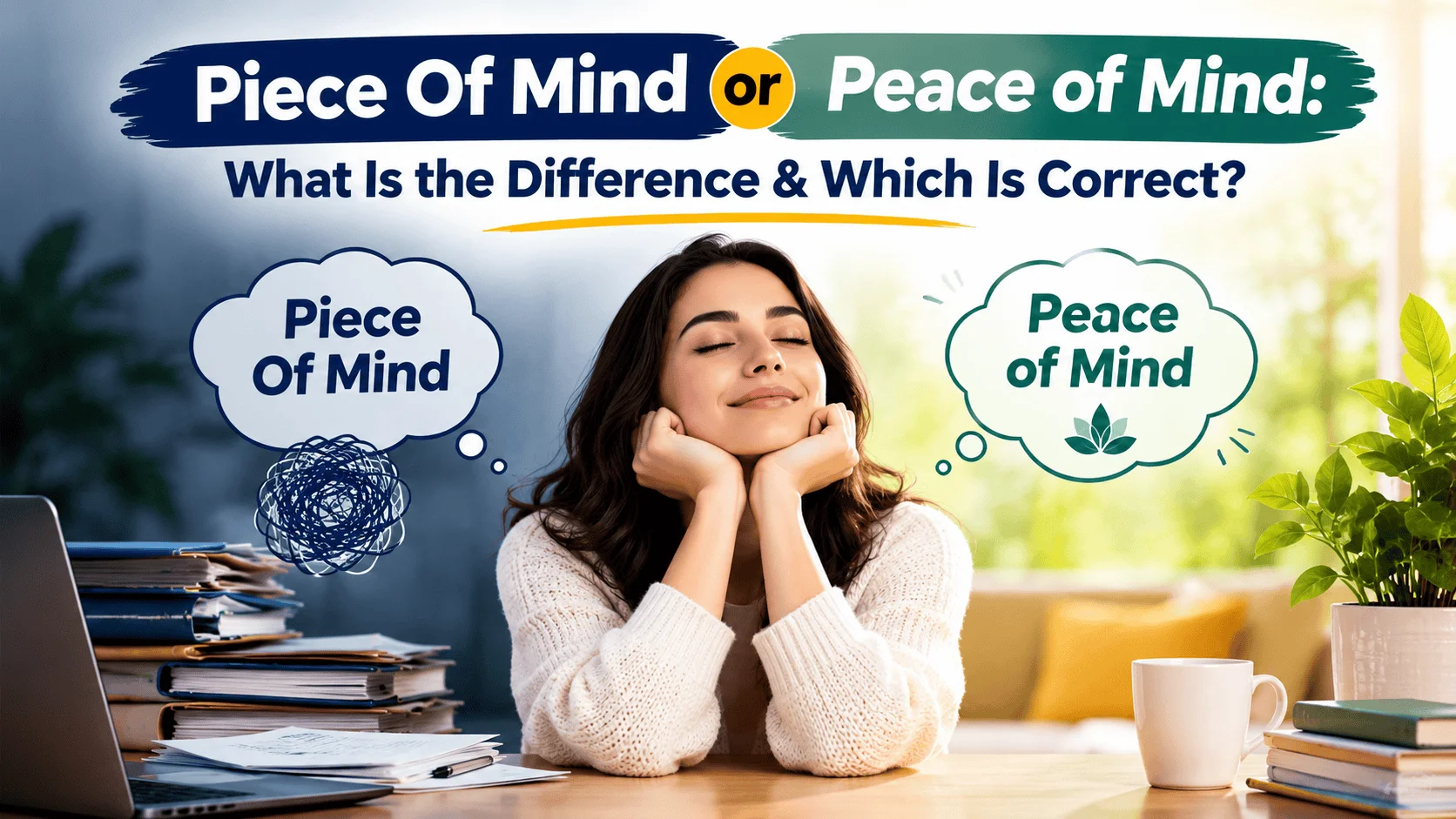
Many English learners and even native speakers confuse piece of mind and peace of mind because they sound almost identical. However, only one of these … Read More

Feeling happy is one of the most wonderful emotions people experience, and the right simile can make that feeling come alive in your writing. Similes … Read More
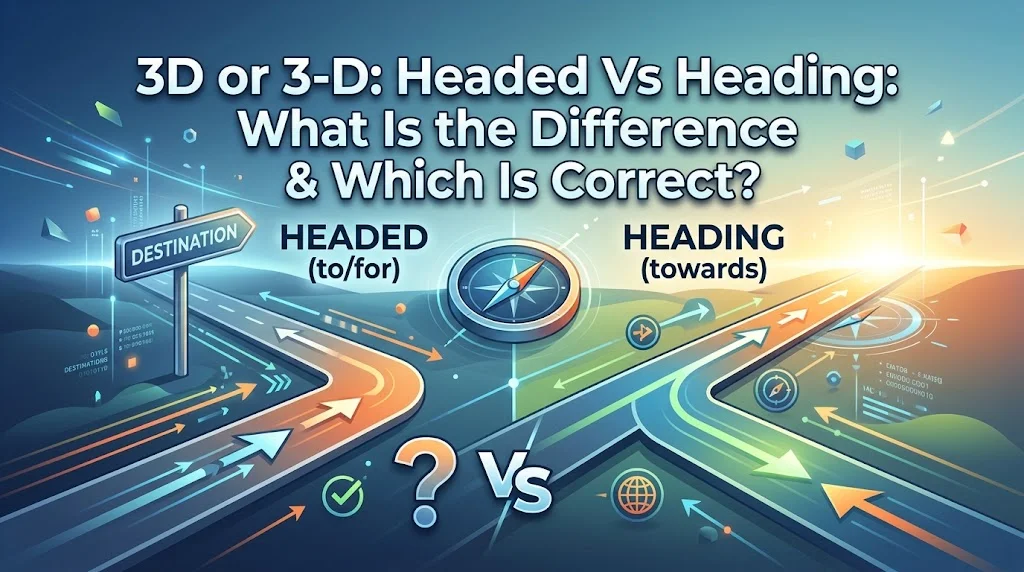
Many English learners confuse headed and heading because both come from the verb head and look very similar. However, they have different grammatical functions and … Read More
Many English learners confuse Smooth vs. Smoothe: Meaning and Correct Usage because the two spellings look almost identical. However, smooth is the correct spelling in … Read More
Many English learners confuse neither and either because both words are used when talking about two people, things, or choices. However, they have different meanings … Read More
Have you ever wondered whether you should write soo or so? Although they may look similar, they are not used the same way in standard … Read More
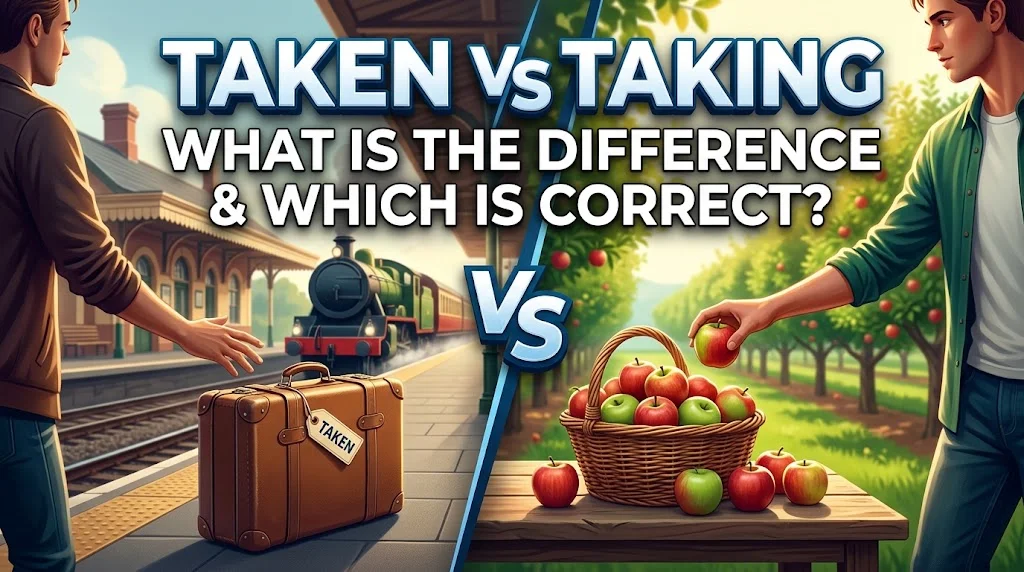
Many English learners confuse Taken vs. Taking because both words come from the verb take but serve different grammatical purposes. We use taken in perfect … Read More

Strong comparisons can make emotions easier to understand and more powerful to express. Similes for Mad help writers describe anger, frustration, and intense feelings in … Read More
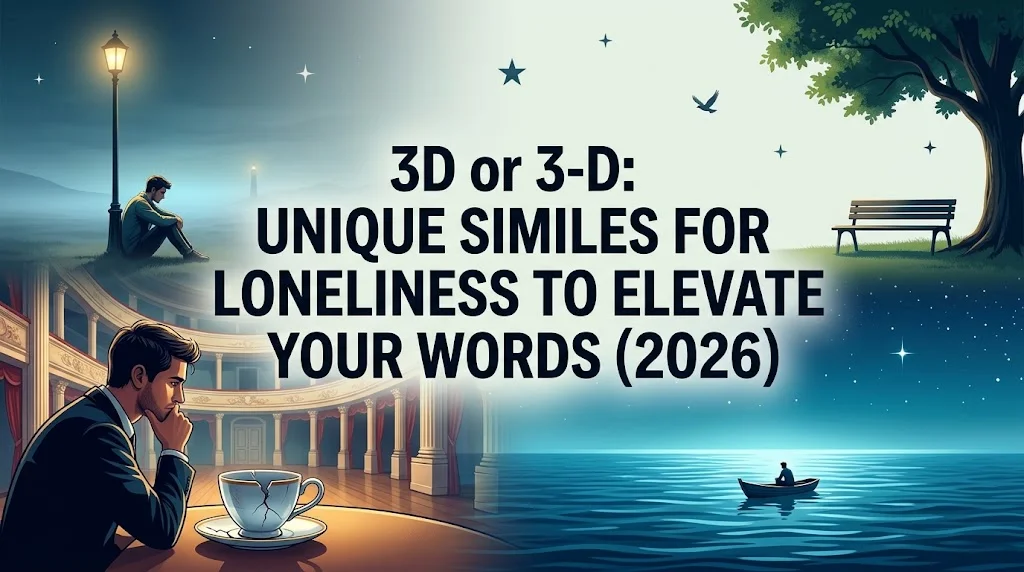
Similes for Loneliness help writers describe feelings of isolation vividly and memorably. Instead of simply saying someone feels lonely, a strong simile paints a clear … Read More
Grammarifying helps you write with confidence through clear, practical, and easy-to-understand guidance on grammar and word choice. Write right, communicate better.
Contact Us